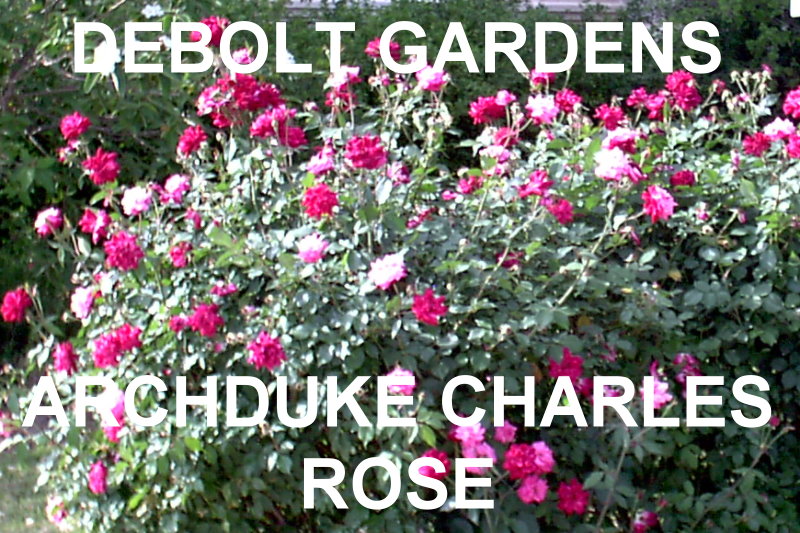
The antique rose has been around since before 1837. The 2-4” shapely blooms, with 35-45 petals, open with crimson outer petals and neat pink centers, then darken to solid crimson. The heat of the sun speeds the process, so Archduke Charles appears to be a bi-color hedge in spring and fall and will be all red roses in mid-summer. The neat, erect bush 3’-5’ high x 3’ wide is in constant bloom from April to frost, which helps to make this China Rose a great selection. It has glossy, green leaves and a slight banana scent. It can be propagated from cuttings, as it grows on its own root. Hardy in Zones 5 to 10. Needs good soil, fertilizer and water. Use drip irrigation.
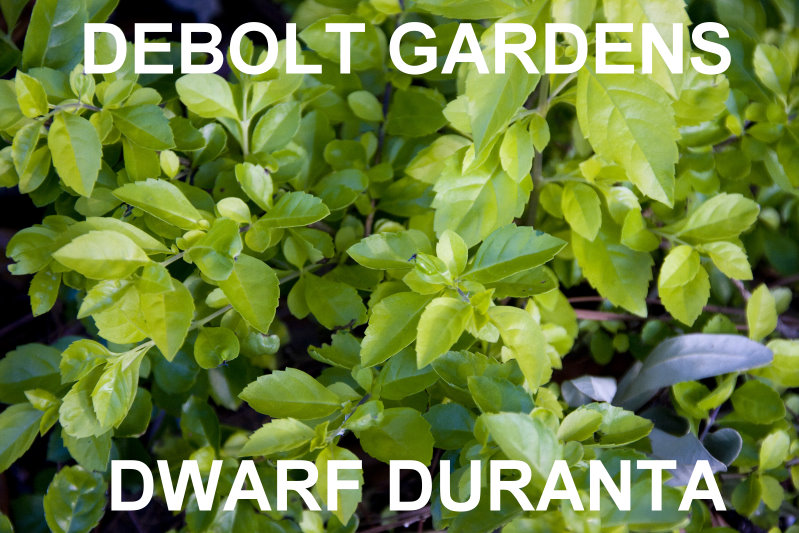
(Duranta erecta ‘Aurea’)
This beautiful yellowish, low-growing, upright duranta is a wonderful landscape plant. It's a lovely color and provides a nice contrast with its lime green and gold leaves. It's very sturdy and retains a nice shape and color with minimal pruning. Dwarf Duranta can be hedged. Grows up to 2’ tall and 2’ wide and can take the hot summer sun. It is drought tolerant and needs full sun. It is hardy to 28 degrees in Zones 9-11. This dwarf duranta tolerates a wide range of soils. It is grown specifically for its foliage and not for blooming.
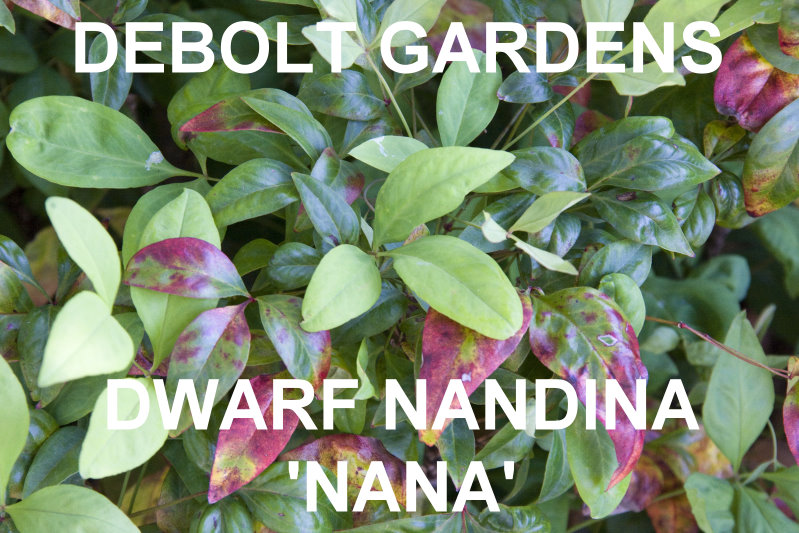
(Nandina domestica ‘Harbour Dwarf’ and ‘Nana’)
Both of these dwarf Nandinas can be found during the garden tour. The ‘Harbour Dwarf’ has a dense and spreading habit with foliage turning burgundy-red in winter. It is a great choice among the 25 dwarf varieties, with the ‘Nandina Nana’ being the original. Will tolerate wet or dry soils and are disease and insect free. They are small and slow-growing (2-3 ft. x 2-3 ft) so work well in smaller yards. Use this perennial in sun or shade. Zone 6-10.
(Russelia equisetiformis)
Fine, green foliage on long arching stems with 1” red tubular blooms in large, loose clusters throughout summer. Cascades in lengths up to 4 ft. actually resembling a firecracker. This plant is a favorite of hummingbirds and butterflies with its scarlet blooms almost year-round. Stems can be tied to a trellis or can be planted to spill over a wall. Sometimes called Coral Plant, is a native of Mexico and is hardy in Zones 9-12. Grow in rich, well-drained humus and fertilize regularly. Uses low water and is salt and heat tolerant in full sun or part shade. Easy to propagate from tip cuttings.

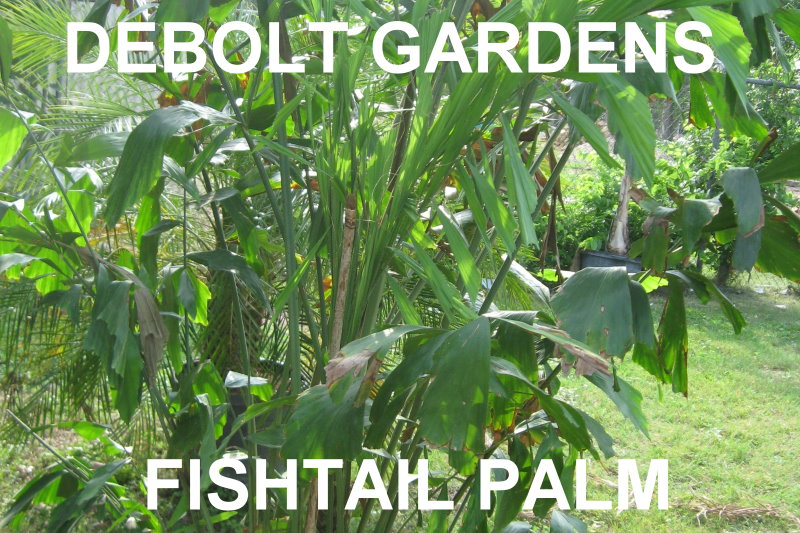
Also called Clumping Fishtail Palm, native to the rainforests in the Philippines and Southeast Asia, as an understory plant. Clumps sometimes exceed 20' tall and 15' wide with densely packed tan stems and triangle-shaped 8' long leaves, similar to a fish’s fin, hence its common name. Inflorescences are 2' long, pendent, with tiny white flowers, begin at the top of the stem and proceed to the bottom of the stem, after which the stem dies and should be removed. The clump will continue to produce more stems. Fruits are ½’ wide, deep red-black at maturation, and toxic if ingested or in contact with skin. Fishtail prefers abundant water, well-drained, rich, humus soil, and full sun or partial shade. It can even adapt to indoor containers if given enough light, and, of course, if you have enough space. Somewhat susceptible to lethal yellowing disease. Protect from wind since it has shallow roots. Zone 9-10, only in warmest area of zone 9.
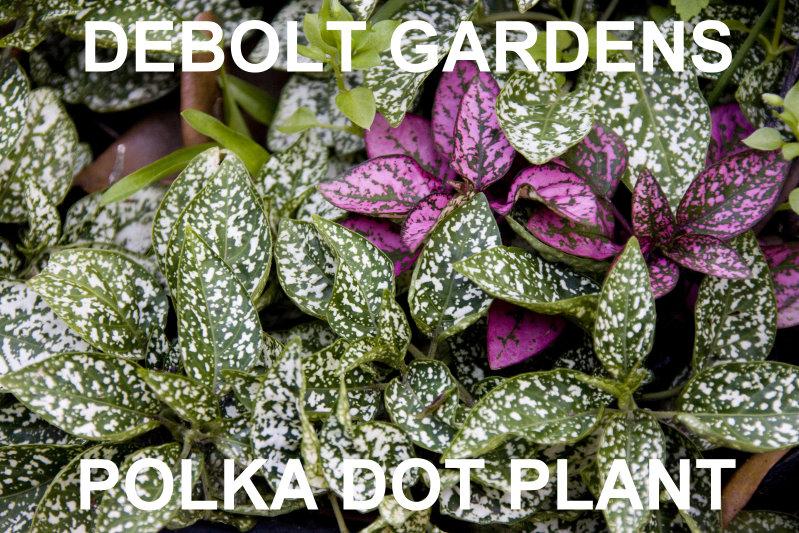
(Hypoestes phyllostachya)
This plant is bushy, possibly 30" high and wide but usually much smaller, with soft downy leaves spotted or blotched with color - originally pink spots on dark green leaves, but now there are varieties with red, white, lighter green spots, and other combinations. Flowers are not particularly showy. Plant indoors, in patio containers, or in the garden in partially shaded areas. If plants get leggy, pinch them back so they become more compact. To grow as a houseplant, use porous soil high in organic material, water well but allow to dry slightly between waterings. Once established, fertilize with dilute liquid fertilizer.

(Vigna caracalla)
This fast growing, twining legume is a perennial vine with growth to 20 feet. It tolerates the heat, but does not like temperatures below 50 degrees. If frost kills the Snail Vine, cut it to the ground and it will re-grow in the spring. The snail-shaped flowers are usually pale purple, sometimes with cream or yellow markings. Ants are the pollinators of the Snail Vine. Requires full sun, regular watering and it likes consistently damp soil. Propagate Snail Vine by layering in the spring. Zone 9-10.
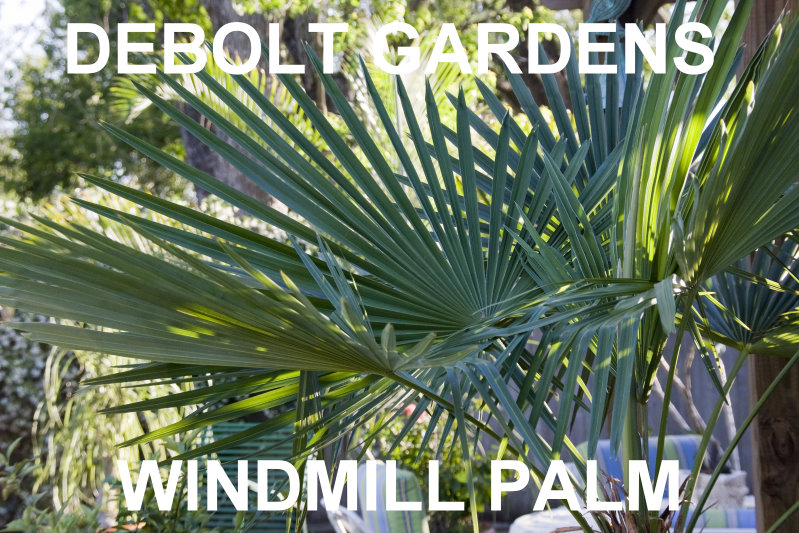
(Trachycarpus fortunei)
You can always tell a Windmill Palm by its hairy trunk. Also known as Monkey Palm, this is one of the most cold hardy palms available, a mature specimen surviving winter minimum temperature of 20 degrees (some reports state even colder than this), meaning it can survive in Zone 8. This palm is difficult to grow in the tropics due to its chilling requirements. High humidity and highly alkaline soils are also concerns. Leaves are arranged into a symmetrical crown, about 8-10' wide, with leaves almost similar to Mediterranean Fan Palm. Trunks are usually covered with a loose mat of coarse fiber and can reach heights of 20 to 40 feet. It can reach mature height in 7 to 10 years. Fertilize twice a year with any good “palm special” fertilizer, with minor trace elements of manganese and magnesium sulfates.
Page