(Abelia x grandiflora ‘Canyon Creek’)
Spreading evergreen, rounded shrub with glossy dark green leaves that sometimes tinge bronze. ’Canyon Creek’ is one of the most uniquely colored Abelias available. Pinkish-white 3/4" star-shaped, fragrant tubular flowers from summer to frost. Compact new growth is copper, then yellow to green. Feed once a year with slow release fertilizer. Very low maintence. Grows in sun to part sun to 3’ high by 4’ wide in Zones 6-9. Can be used as a large specimen shrub or hedge.
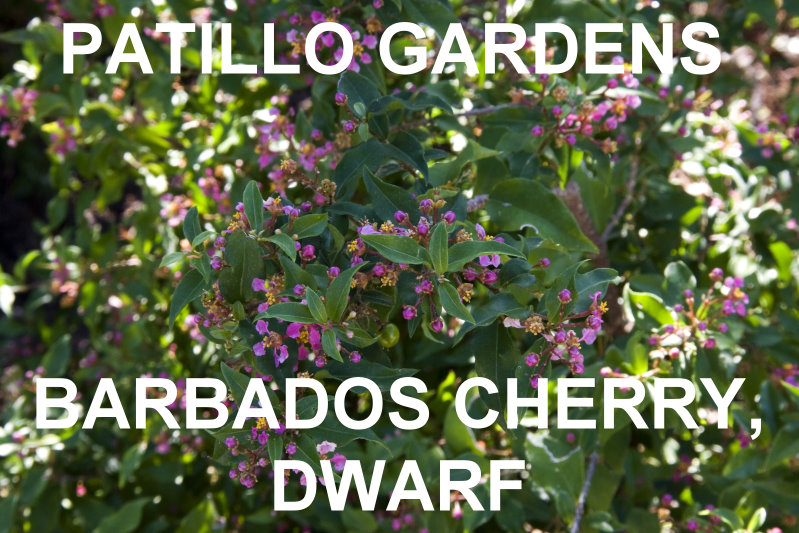
Delicious edible tropical fruit on a dwarf tree 3-4 feet tall, evergreen foliage, blooms spring to frost, depending on rainfall, with small multicolored pink 5-petaled, ruffly flowers. The red to orange fruit is attractive to birds and wildlife and is many times higher in vitamin C than Citrus. Barbados cherries can be eaten out of hand and taste delicious! They are also suitable for juice or jelly. Plant in full sun to part shade. Protect new shrub from frost. Well established trees can tolerate down to 28 degrees Zones 9b-11. Can be pruned to any shape, but best as managed shrub. Can also be used as a hedge.
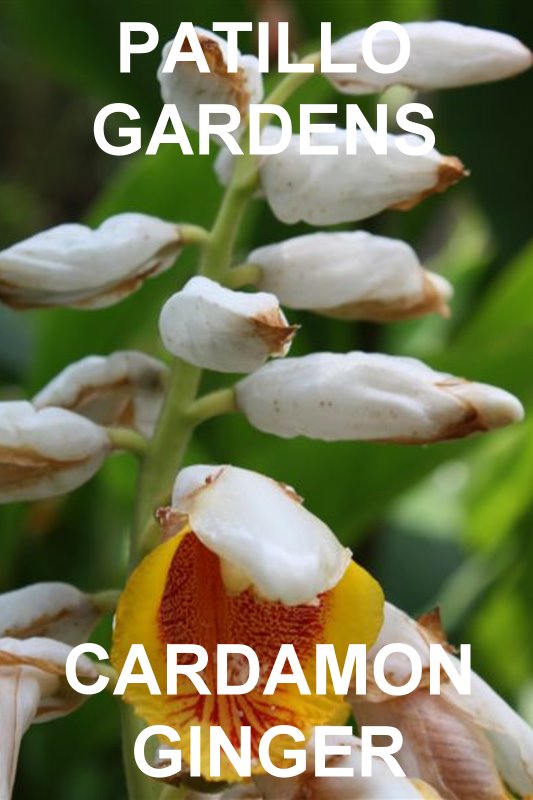
(Alpinia calcarata)
Gingers are known for their fragrance and exquisitely delicate foliage and flowers. Cardamon Ginger grows 5-6' tall in areas where it does not freeze back, but only 3' tall if it freezes. Foliage is reedy, similar to bamboo. Leaves are dark green, 2" wide and 12" long. Flowers are white and maroon and superficially resemble snapdragons. It blooms in late spring or early summer, but only on second year growth, so if the foliage tips freeze back, it will not bloom that year. Fortunately, temperatures have to drop to mid twenties for it to freeze; otherwise, it should remain evergreen. It prefers full sun to partial shade and mildly acidic soil (pH 6.1 to 6.5). It is drought-tolerant. Suitable for growing in containers. Zone 9A-11, but may come back from the roots in Zone 8B.
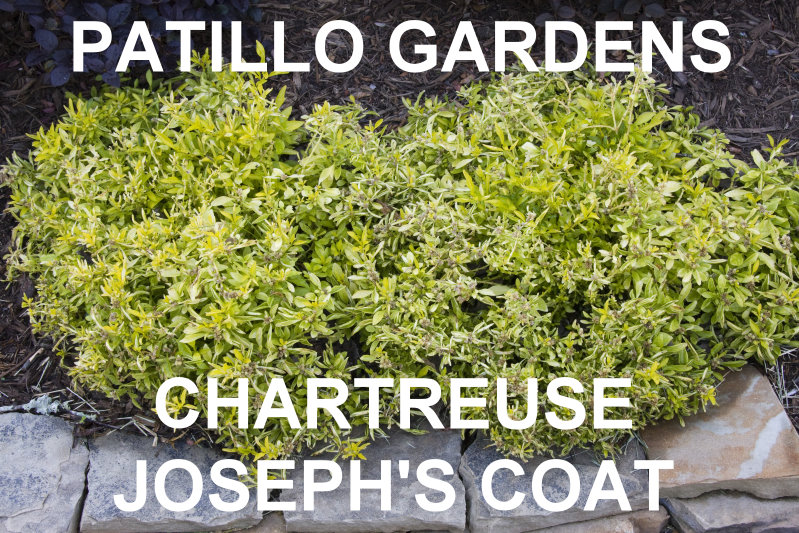
(Alternanthera ficoidea ‘Chartreuse’)
A cultivar of a tropical perennial that is winter hardy to Zone 10 and is grown exclusively for its colorful yellow-green foliage. Grow in organically rich, consistently moist, well-drained soils in full sun to part shade. Best foliage colors are usually developed in full sun. Compact and bushy habit 1 foot tall to 1 ½ foot wide, with excellent staying power, providing color from early spring until fall frost. Native to Mexico and South America. Pinch off to keep low and use tip cuttings for propagating indoors in winter. The brilliant color of this plant makes it striking as a groundcover in the front of the bed or as a border. It has insignificant flowers.

Polyantha climber, EarthKind™, almost thornless, height of 5-10', width of 7-8', pink, double bloom form with 17-25 petals, blooms in flushes throughout the season, mild to strong fragrance. Grow in fertile, moist, well-drained soil in full sun or partial shade. Provide good air circulation and remove fallen leaves to help prevent disease. In late winter or early spring, prune back to 10-18" and reduce sideshoots. Zone 6B to 9B. EarthKind™ means “easy-care roses selected by rigorous trials in Texas.

Lakeview Jasmine, aka Orange Jasmine, Mock Orange, and Chinese Cosmetic Boxwood, is an evergreen shrub often used in tropical gardens. It has vibrant glossy dark green foliage, small white fragrant blooms which turn cream color, then followed by small red fruit. It can grow 12' tall, like a small tree; prefers full sun but also accepts partial shade, frequent watering including misting during the winter (likes high humidity), and frequent mild fertilizer. Bees are attracted to the Lakeview Jasmine.
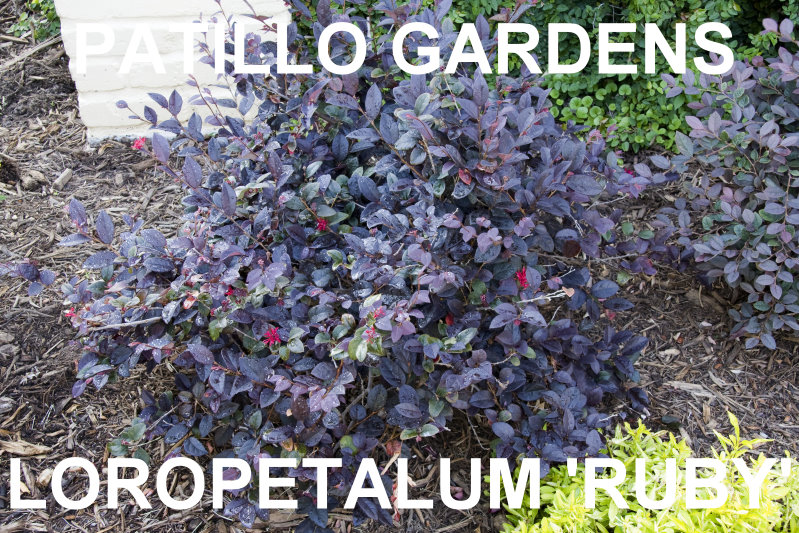
(Loropetalum chinense var. rubrum ‘Ruby’)
Although other loropetalums may be spreading with a height of 12', ‘Ruby’ is a true dwarf resulting in a nice compact, rounded evergreen shrub. The petals of the flowers resemble fringes or little straps (loron, in Greek) and the leaves are purple all year long. Prefers rich, well-drained loam with some acidity, well watered; further south, partial shade may be of benefit, but will reduce blooms. It is adaptable to less than perfect conditions. Requires little pruning and has few pests. Zone 7-10.
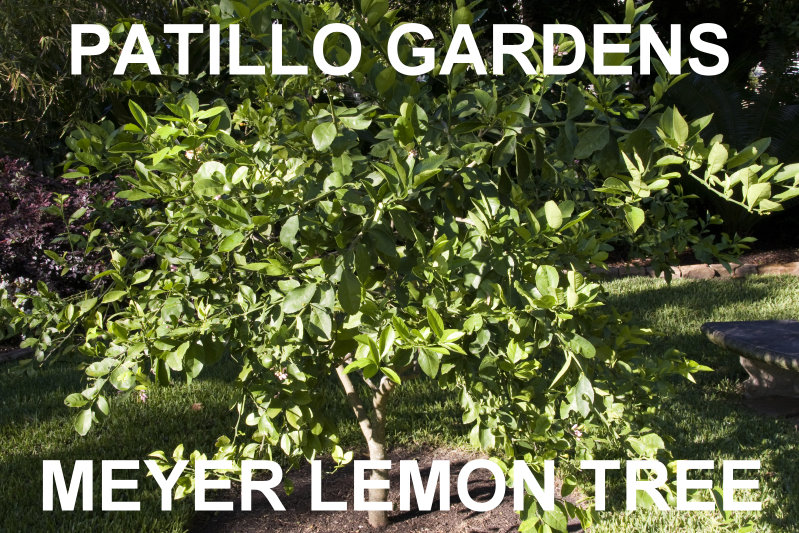
(Citrus limon ‘Meyer Improved’)
Not actually a lemon, the Meyer Lemon tree is a cross between a lemon, a type of orange, and a mandarin. Although it maintains most characteristics of a lemon, it is less acid, less bitter, sweeter, and has thinner skin without the zest of a typical lemon. It is well-suited to the Gulf Coast region and yields a heavy crop, beginning to bear some fruit when 3 years old. Size of crop increases with maturity. Lemons change from green to yellow-orange when mature on the tree. Be patient; this may take a while. Crop matures in summer. It grows to 15' tall and wide if planted in the ground. It prefers full sun, sandy, alkaline well-drained soil. Water regularly, but no wet feet. Prevent snail damage. If planted in a container, replace the soil after about 3 years and replant in a larger pot.